Source Flame Retardant BVVB Wire for Construction and Power
Compare 30 flame retardant BVVB wire options from verified Chinese manufacturers. Buyers can evaluate specifications like 300/500V ratings, copper core materials, and PVC insulation for construction and industrial power applications; compare the available evidence and request quotations based on your requirements.
Key considerations
Products List




Comprehensive Sourcing Guide
Flame Retardant BVVB Wire Sourcing Guide
Sourcing flame retardant BVVB wire requires a disciplined approach to verifying material integrity and compliance with regional electrical standards. Buyers must prioritize suppliers who explicitly list BVVB models alongside relevant certifications such as CCC, CE, ISO, and RoHS. These credentials indicate that the manufacturer adheres to rigorous quality management systems and environmental regulations, which is critical for ensuring the long-term reliability of the wiring in construction projects. The presence of these certifications suggests that the supplier has undergone third-party audits, providing a baseline level of trust for international procurement teams.
Beyond certifications, the physical attributes of the wire must align with specific project requirements. The core material is typically bare copper or red copper wire, available in stranded or solid configurations, which influences flexibility and current-carrying capacity. Insulation is generally made from PVC, offering necessary protection against moisture and minor mechanical stress. Buyers should confirm that the wire is rated for low and medium voltage applications, typically 300/500V or 450/750V, and is suitable for both AC and DC currents. Verifying these technical parameters ensures that the selected wire will perform safely under the intended electrical load conditions.
Product Scope and Observed Listing Signals
The observed market listings for BVVB wire reveal a wide range of cross-sectional areas, typically spanning from 1.5 mm² to 400 mm², with specific models like BVVB 1.5-120 being commonly available. This variety allows buyers to select the appropriate gauge for different circuit loads, from small lighting fixtures to heavy-duty industrial machinery. The price range observed in listings varies significantly, reflecting differences in copper purity, insulation thickness, and packaging methods. Buyers should interpret these price variations as indicators of quality tiers rather than fixed market rates, as raw material costs fluctuate and affect final pricing structures.
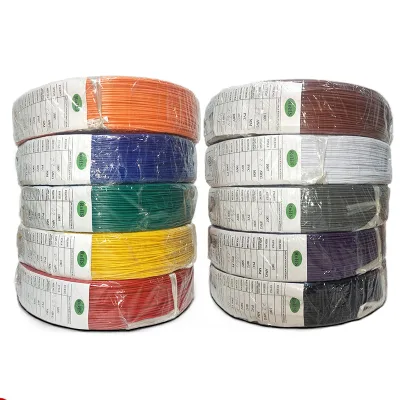
Packaging options are diverse, including steel and wooden drums, export wooden drums, pallets, and carton boxes with reels. These packaging choices are crucial for logistics planning, especially for large-scale construction projects where bulk handling is required. The availability of customization services, such as specific color options or custom core counts, indicates that many suppliers are flexible in meeting unique project specifications. However, buyers must verify that customized orders do not compromise the standard flame retardant properties or insulation integrity, as non-standard modifications can introduce unforeseen risks in electrical installations.
Technical Specifications to Verify
Verifying the conductor type is a critical step in the sourcing process, as BVVB wire can be manufactured with solid, stranded, or flexible conductors. Stranded conductors offer greater flexibility, making them easier to install in tight spaces or complex routing scenarios, while solid conductors provide better stability for fixed installations. The number of cores also varies, with single, two, three, or multi-core configurations available to suit different wiring needs. Buyers should specify the exact core count and conductor type in their purchase orders to avoid receiving incompatible products that do not meet the design specifications of the electrical system.
Insulation and sheath materials must be confirmed to ensure they meet the flame retardant requirements of the project. The standard insulation material for BVVB wire is PVC, which offers good electrical insulation properties and durability. However, buyers must verify that the PVC compound used is specifically formulated to be flame retardant, as standard PVC may not meet strict fire safety codes. Additionally, the rated voltage and current capacity must be checked against the project’s electrical load calculations. Ensuring that the wire is suitable for the intended application, whether it is overhead, underground, or indoor construction, prevents premature failure and ensures compliance with local building codes.
Compliance and Safety Documentation
Compliance with safety standards is non-negotiable when sourcing electrical wiring for construction and industrial applications. Buyers must request detailed documentation proving that the BVVB wire meets relevant national and international standards, such as CCC for the Chinese market or CE for European compliance. These certifications ensure that the wire has undergone rigorous testing for electrical safety, mechanical strength, and environmental impact. Without proper documentation, buyers risk procuring substandard products that may fail during inspection or cause safety hazards in the field, leading to costly delays and liability issues.
In addition to product certifications, buyers should inquire about the supplier’s quality control processes and testing protocols. Reputable suppliers will provide test reports from accredited laboratories, verifying parameters such as insulation resistance, voltage withstand, and flame retardancy. These reports serve as objective evidence of product quality and help buyers assess the reliability of the supplier’s manufacturing processes. Buyers should also verify that the supplier maintains a consistent quality management system, such as ISO certification, which indicates a commitment to continuous improvement and standardized production practices. This documentation is essential for maintaining traceability and accountability throughout the supply chain.
Cost Drivers and Commercial Terms
The cost of BVVB wire is primarily driven by the price of copper, which is a volatile commodity subject to global market fluctuations. Buyers should anticipate that prices will vary based on the current copper market rates and the specific grade of copper used in the conductor. Other factors influencing cost include the cross-sectional area, insulation thickness, and packaging requirements. Larger cross-sections and thicker insulation naturally require more material, increasing the unit price. Additionally, custom packaging or specialized labeling may incur extra charges, so buyers should clarify all potential additional costs before finalizing their orders to avoid budget overruns.
Commercial terms such as MOQ, lead times, and payment conditions also play a significant role in the total cost of ownership. Suppliers may offer different pricing tiers based on order volume, with lower prices available for larger quantities. Buyers should negotiate favorable terms that align with their project timeline and cash flow requirements. It is also important to clarify the shipping terms, including who is responsible for freight and insurance costs. Understanding these commercial dynamics allows buyers to make informed decisions that balance cost efficiency with supply chain reliability, ensuring that the project remains within budget without compromising on quality.
Supplier Qualification and Quality Control
Qualifying a supplier for BVVB wire procurement involves assessing their manufacturing capabilities, financial stability, and reputation in the market. Buyers should conduct thorough due diligence, including site visits or virtual audits, to verify the supplier’s production facilities and quality control systems. This assessment helps identify potential risks, such as inconsistent production quality or inadequate testing procedures. Suppliers with a strong track record in the industry are more likely to deliver products that meet specifications consistently, reducing the risk of defects and delays. Building a relationship with a reliable supplier is crucial for long-term procurement success.
Quality control measures should be integrated into the procurement process to ensure that delivered products meet the agreed-upon standards. Buyers should implement incoming inspection protocols, including random sampling and testing of key parameters such as conductor resistance and insulation thickness. These inspections provide an additional layer of verification and help catch any discrepancies before the wire is installed. Suppliers who are transparent about their quality control processes and willing to accommodate third-party inspections are preferable partners. Establishing clear quality expectations and communication channels with the supplier ensures that any issues are addressed promptly, maintaining the integrity of the electrical installation.
Long-Term Procurement Checks
Long-term procurement success depends on continuous monitoring of supplier performance and market trends. Buyers should regularly review supplier delivery times, product quality, and responsiveness to issues. This ongoing evaluation helps identify any declines in service quality or changes in product standards that may impact the project. Maintaining open communication with suppliers allows buyers to stay informed about any updates in regulations or material availability that may affect future orders. Proactive management of supplier relationships ensures a stable and reliable supply chain, reducing the risk of disruptions and ensuring that projects are completed on time.
Additionally, buyers should stay updated on changes in electrical standards and safety regulations that may affect the requirements for BVVB wire. As regulations evolve, suppliers may need to update their products to remain compliant, which could impact availability and pricing. Buyers should work closely with their suppliers to ensure that any necessary updates are implemented smoothly and that the supplied wire continues to meet the latest safety standards. By staying informed and adaptable, buyers can navigate changes in the market effectively, ensuring that their procurement strategies remain aligned with project needs and regulatory requirements. This forward-looking approach minimizes risks and supports the successful execution of electrical projects.
FAQs
What is flame retardant BVVB wire typically used for?
Flame retardant BVVB wire is a flat, sheathed copper wire used mainly in construction applications such as building wiring, power distribution, and fixed installation circuits. It features bare copper conductors with PVC insulation and sheath, rated for low and medium voltage. Buyers typically select core configurations and cross sections based on the load requirements of the intended installation environment.
Which conductor sizes are available for flame retardant BVVB wire?
Listed BVVB products cover cross sections from 1.5 mm2 up to larger sizes, with common configurations including 3x1.5, 3x2.5, 3x4, and 3x6. Standard ranges extend to 1.5-300 mm2 on related models. Confirm the exact size and core count with each supplier before ordering, since available specifications vary by manufacturer and production line.
What certifications should flame retardant BVVB wire have?
Many listed products carry CCC, CE, ISO, and RoHS certification, and some also list VDE. Certification matters for market access and quality assurance, especially for construction and industrial projects. Always request valid, current certificates from the supplier for the specific wire model you intend to purchase, because certification scope can differ between individual products and production batches.
Can flame retardant BVVB wire be customized for specific projects?
Yes, customization is available among listed products. Options can include color choices beyond standard black, packaging formats, and specifications matched to project requirements. Some suppliers offer OEM services and free samples for evaluation. Contact suppliers early with your core count, cross section, and voltage requirements, since customization typically affects minimum order quantities and production lead times.
How is flame retardant BVVB wire packaged for export shipping?
Packaging options listed include wooden drums, export wooden drums, steel and wooden drums, reels, carton boxes with reels, and pallets. Standard package lengths such as 100 m per drum are also listed. Wooden drum packing is the common choice for long cable runs, while reels and cartons suit shorter lengths. Confirm drum length, drum type, and marking requirements with the supplier before shipment.
What is the rated voltage and conductor type of BVVB wire?
Listed BVVB wire is rated at 300/500V or 450/750V for low and medium voltage applications, carrying AC current for construction use. The conductor is bare copper, available as solid, stranded, or flexible strands depending on the model. Verify the rated voltage and conductor construction against your local electrical code and project drawings before placing an order.